Ask anyone who's owned a few Defenders what separates a good interior from a tired one and they rarely mention the colour. They talk about whether the pleats line up, whether the door cards sit flush and whether the seats still look right after a winter of muddy boots. All of that comes down to the people doing the sewing and trimming.
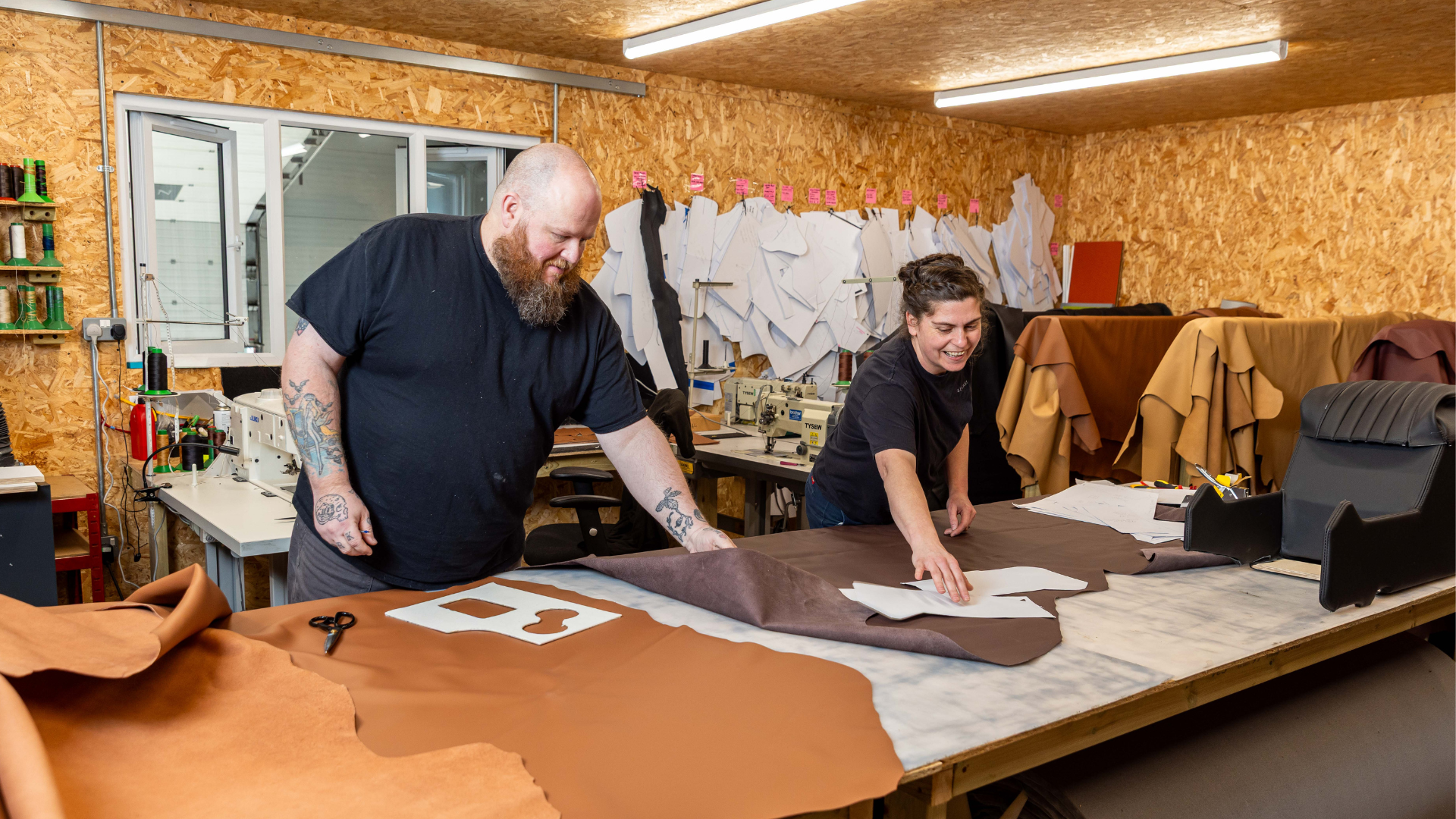
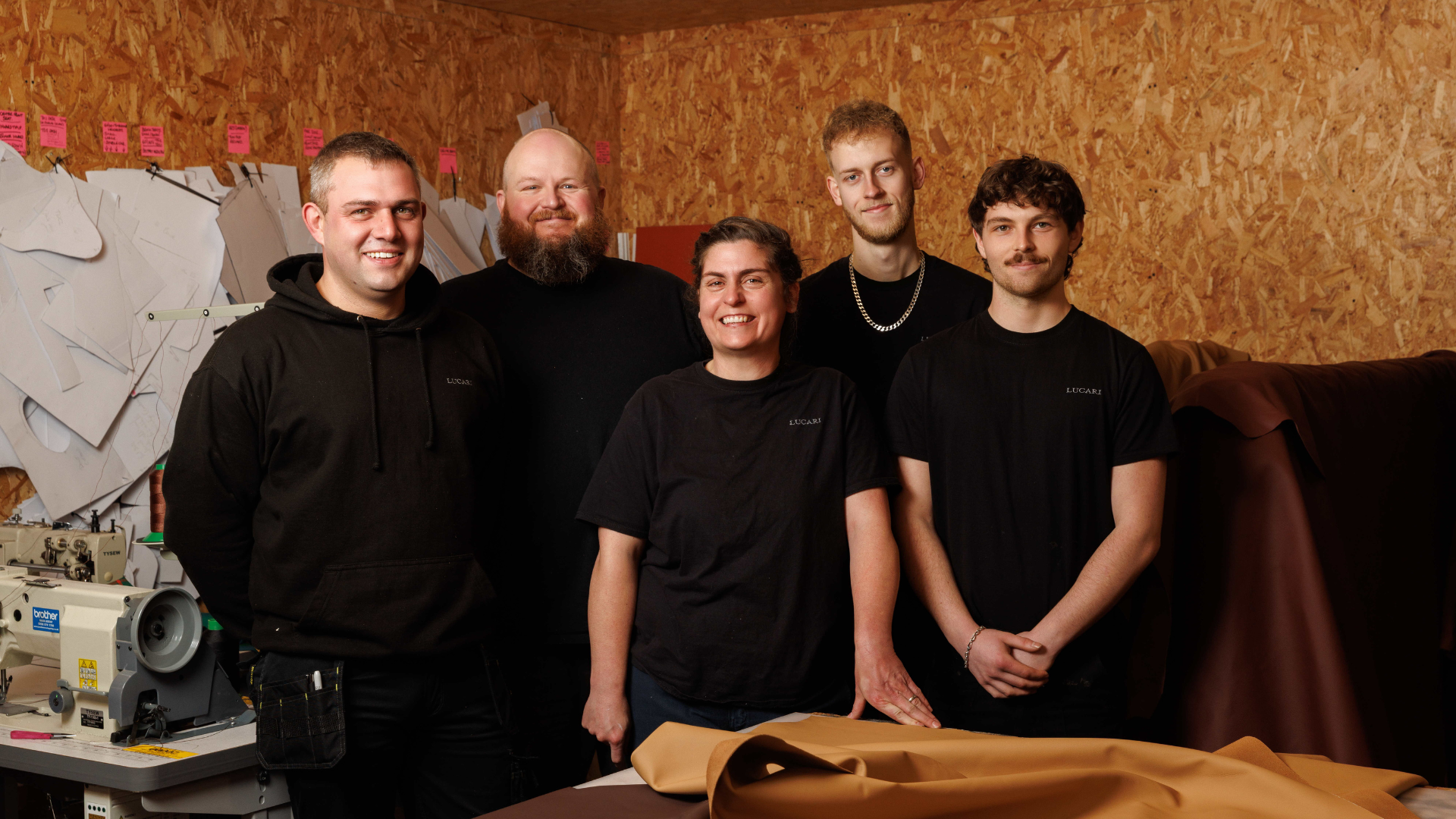
At LUCARI, those people work a few metres from each other in our workshop in Rye.
It's easy to assume one interior item is worked on by one person, but it's the full team.
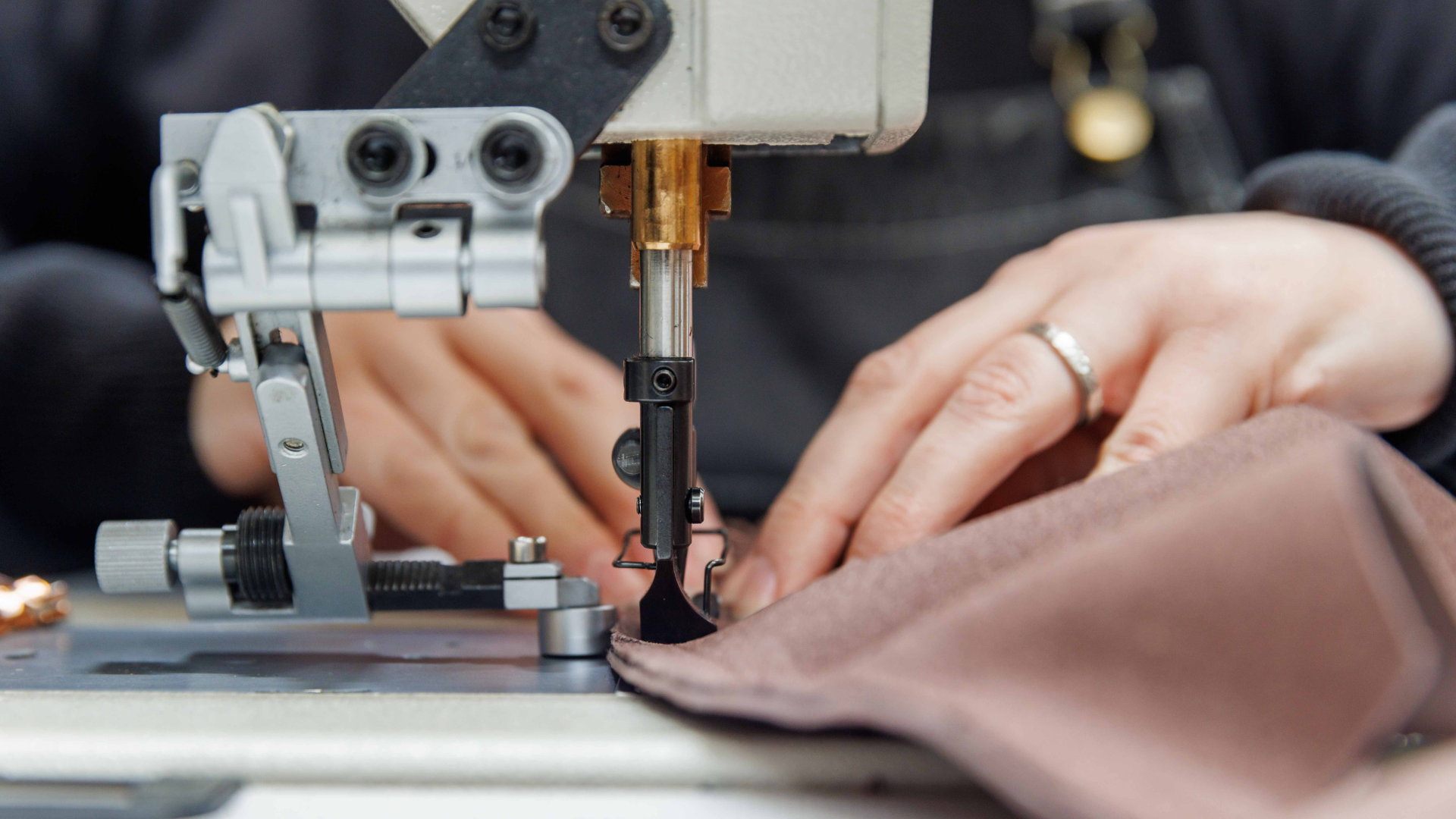
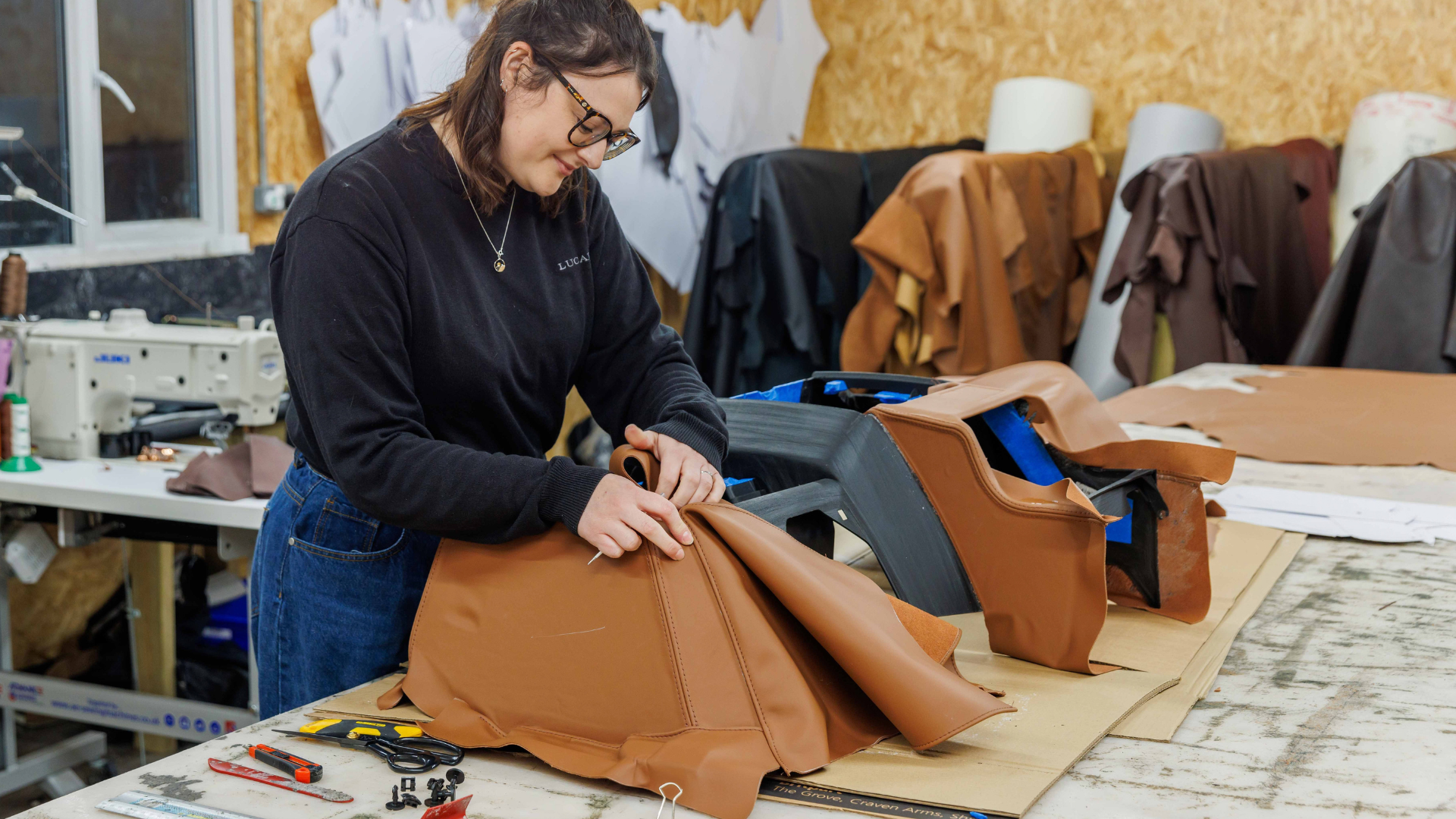
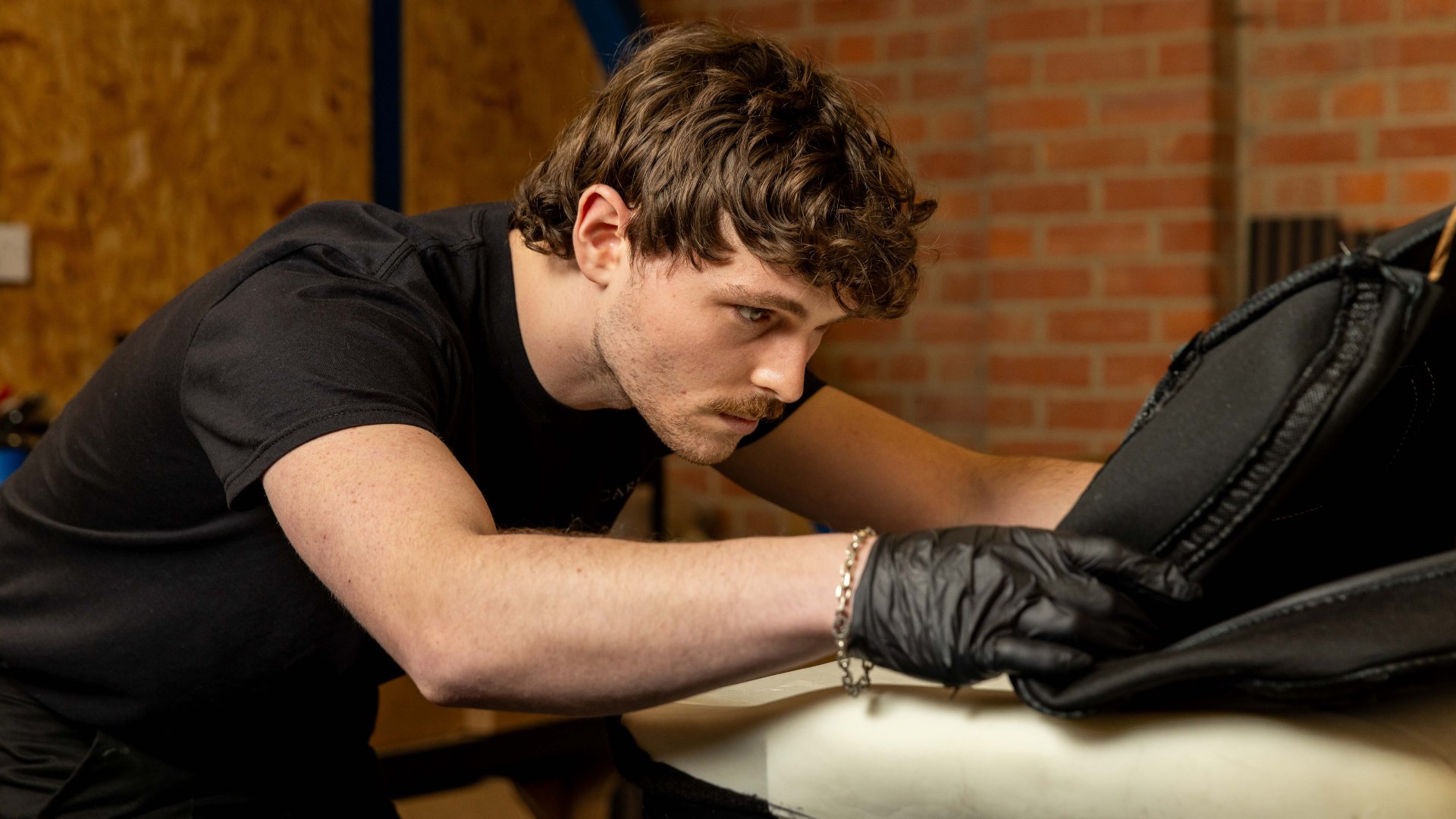
Our sewists work in the upholstery studio, cutting and stitching every panel from automotive-grade leathers and fabrics. From there the work moves to our trimmers, who fit seat covers, door cards and dashboard coverings across three dedicated trim rooms.
Amongst this, our sales and install team check-in at most stages to ensure smooth delivery.
The handover between teams matters more than most people realise. A seat cover can look perfect on the bench and still sit wrong once it's pulled over the foam. A good trimmer spots that straight away and sends it back before it ever reaches a customer. Having both teams under one roof means that conversation takes minutes rather than days.
Keeping sewing and upholstery in-house means we can control quality, lead times and the finish ourselves. In our experience, it's the only way to get a full interior that looks like it was made together rather than assembled from parts.
One thing that surprises customers is how flexible a LUCARI interior can be. Some people order the whole cabin in one go. Others start with the front seats, add door cards the following year and finish with a dash kit when the time’s right. Because every piece is made in our seven signature leather colours, a door card trimmed next spring will sit alongside seats made today as if they’d always been together.
Order it all at once or build it up in as many stages as you like. Either way, our team will make sure it comes together as one interior. You can see more of how we work on our social media channels.
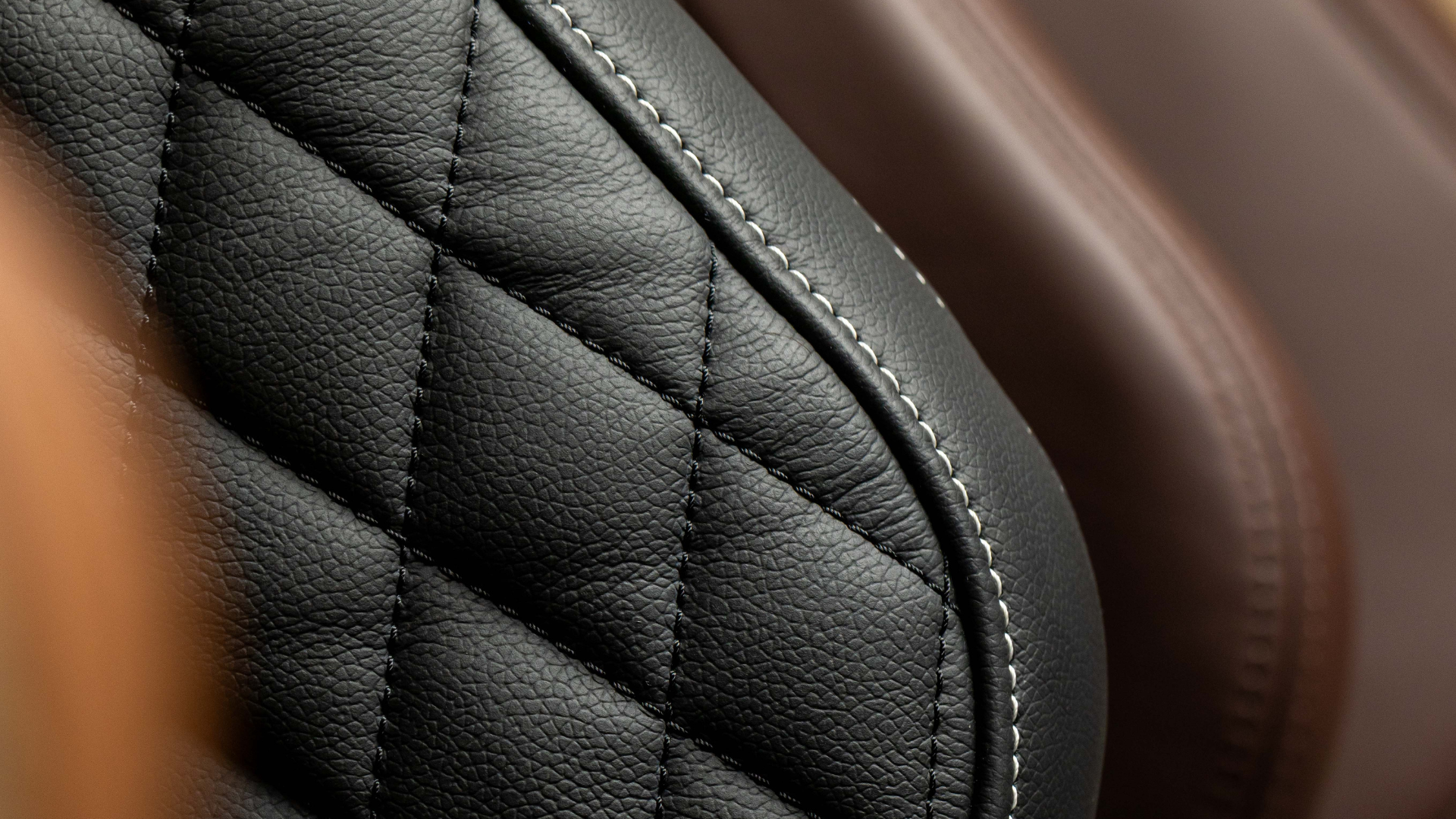
Anyone who's climbed in and out of a Defender a few thousand times knows the outer bolster takes the hardest wear. You swing in over the sill and slide across it every time, often in a wax jacket with a zip. Seam placement and stitch tension on that bolster decide how a seat looks in five years, not just on the day it's fitted.
Quilting is the same. Whether it's a classic pleat, diamond quilting or honeycomb, the pattern has to carry from the seat back down to the base and across to the door cards. That gets set out and measured long before a needle goes anywhere near the leather. You can see the full range in our Defender leather trim options.